About Scalivo
We built this because we've been in the room when the forecast was wrong
"I spent three years as a RevOps lead at two different SaaS companies. We had Salesforce, we had Gainsight, we had Mixpanel — and we still couldn't predict churn with any confidence. The data was there. It just lived in three places that never talked to each other."
Why we started Scalivo
Scalivo was founded in 2025 by Raymond Chu and Lena Park, working out of Raleigh's Research Triangle — two people who'd spent the previous four years on opposite sides of the same forecast problem. Raymond ran RevOps at two B2B SaaS companies: owned the weekly commit call, managed the Salesforce instance, and fielded the inevitable board question about why the quarter landed differently than the model said it would. Lena built ML infrastructure for a forecasting team at an analytics company: wrote the models, but watched RevOps teams ignore the output because it couldn't be traced back to a specific signal they recognized.
"The data to make accurate forecasts already existed at both companies we worked at. It just lived in three different systems that required a SQL query and a spreadsheet to connect."
Scalivo's first working version was a Python script Raymond ran every Monday morning before the forecast call at his last job. It pulled CRM stage data, joined it against Amplitude events, and applied a simple weighted model. The number was better than the gut-feel call. Lena rebuilt it as a proper gradient-boosted model with per-company training. We spent the first six months in customer conversations — not validating a pitch deck, but sitting with RevOps leads, CROs, and CS leaders to understand which signals actually predicted churn and expansion at their specific company. The signal weights were always different. That's the core design decision Scalivo is built around: your model, trained on your data, not a static template derived from some other company's revenue motion.
The team

Four years running RevOps at B2B SaaS companies — owned the Salesforce instance, the weekly commit call, and the board forecast package. Started Scalivo after the third time a churn signal that was obvious in product data arrived two weeks too late in the health score.

Former ML engineer at a B2B analytics company — built signal fusion models and watched RevOps teams ignore the output because they couldn't explain what drove the score. At Scalivo, every model output includes a signal traceback. That's not a feature request from a customer. That's the founding constraint.
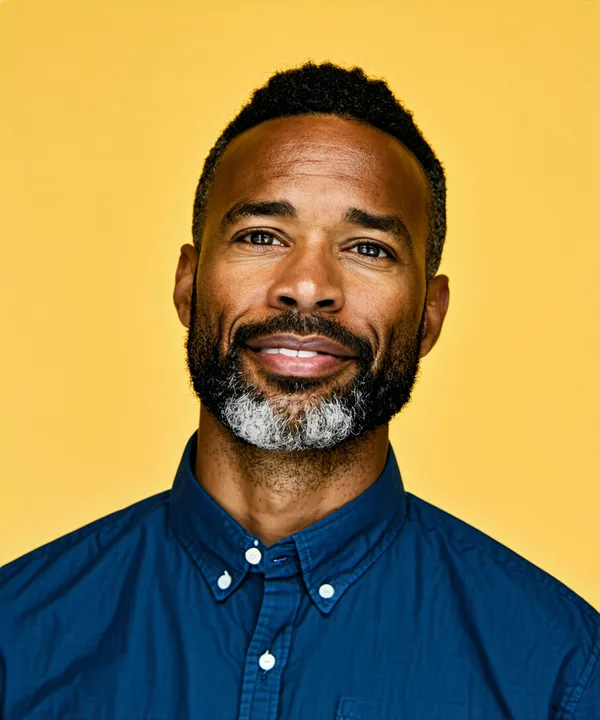
Five years running customer success at a B2B SaaS company — managed a 300-account book of business, ran QBRs, worked renewals. Joined Scalivo because he'd spent years asking for better early warning signals and never got them from the tools available. Now he makes sure new customers don't have that problem.
How we build
A model score no one can explain gets ignored in the next pipeline review. Every churn risk flag and every expansion score in Scalivo shows a signal traceback — which data drove it, the magnitude, and the 30-day trend. Your CS rep should be able to walk into a call knowing what changed, not just that the score dropped.
The signal that best predicts churn at a PLG tool is not the same signal that predicts churn at a sales-led enterprise SaaS. Scalivo trains on your closed-won and churned history — so the feature weights reflect your customers, your sales motion, and your product's usage patterns. Not a benchmark derived from companies you've never heard of.
We write risk flags and expansion scores back to Salesforce and HubSpot opportunity fields, and push digests to your RevOps Slack channel, because no one checks a new dashboard every morning. Revenue intelligence should surface where decisions are made — not require a context switch.
Scalivo is bootstrapped. There is no investor timeline pushing us toward features that inflate usage metrics at the expense of forecast accuracy. The next thing we build is whatever the current cohort of RevOps teams tells us is missing — not what makes an impressive slide for a fundraising deck.
Talk to the people who built it
Raymond and Lena are still on every onboarding call. That's not a sales tactic — it's how we learn.